🛣️
Route Fit
Which routes can go electric now
Identifies which part of the operation can be electrified with a sensible margin, considering real variability rather than only the best day.
See what can go electric now, then run it with vehicles, charging, incidents, drivers and traceability in one platform.
Which routes fit, which EV fits best, what the depot can handle, and when more CAPEX is truly needed.
Vehicles, charging, availability and incidents in one place, without switching between tools.
Reduce rollout risk: validate the operation first, then add chargers, power and upgrades when the numbers justify it.
Before buying vehicles or expanding infrastructure, four questions need to be answered: which routes can go electric now, which vehicle fits best, what the depot can currently support and when the next step makes operational sense.
Identifies which part of the operation can be electrified with a sensible margin, considering real variability rather than only the best day.
Compares which electric vehicle best fits each route based on usable range, payload, operational demand and available buffer.
Estimates how many electric vehicles the depot can support with its available power, chargers and charging windows.
Shows when existing power or chargers are no longer sufficient and further investment starts to become justified.
BaseFit Starter analyses a sample of your routes, vehicles and depot conditions to identify which part of the operation could go electric, where the main bottleneck is and where it makes sense to start.
Autonality connects electrification planning with day-to-day fleet operations.
Vehicle status, charging, availability, incidents and daily operations in one place.
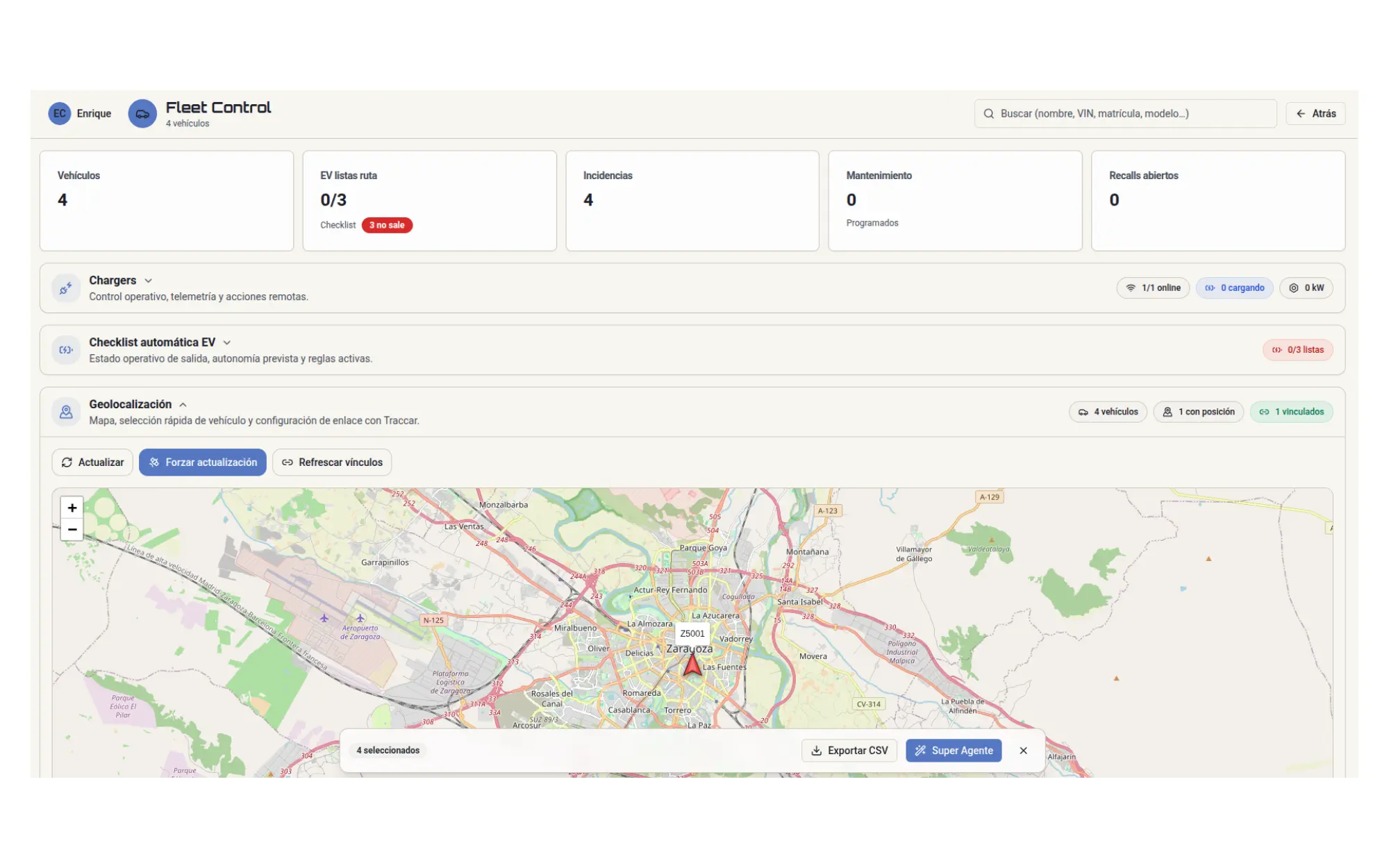
See which vehicle to assign, what to charge first and where risk appears before dispatch.
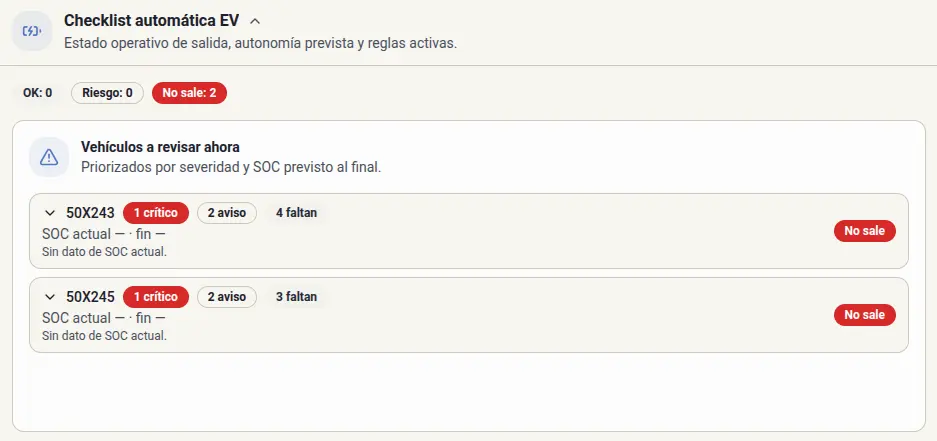
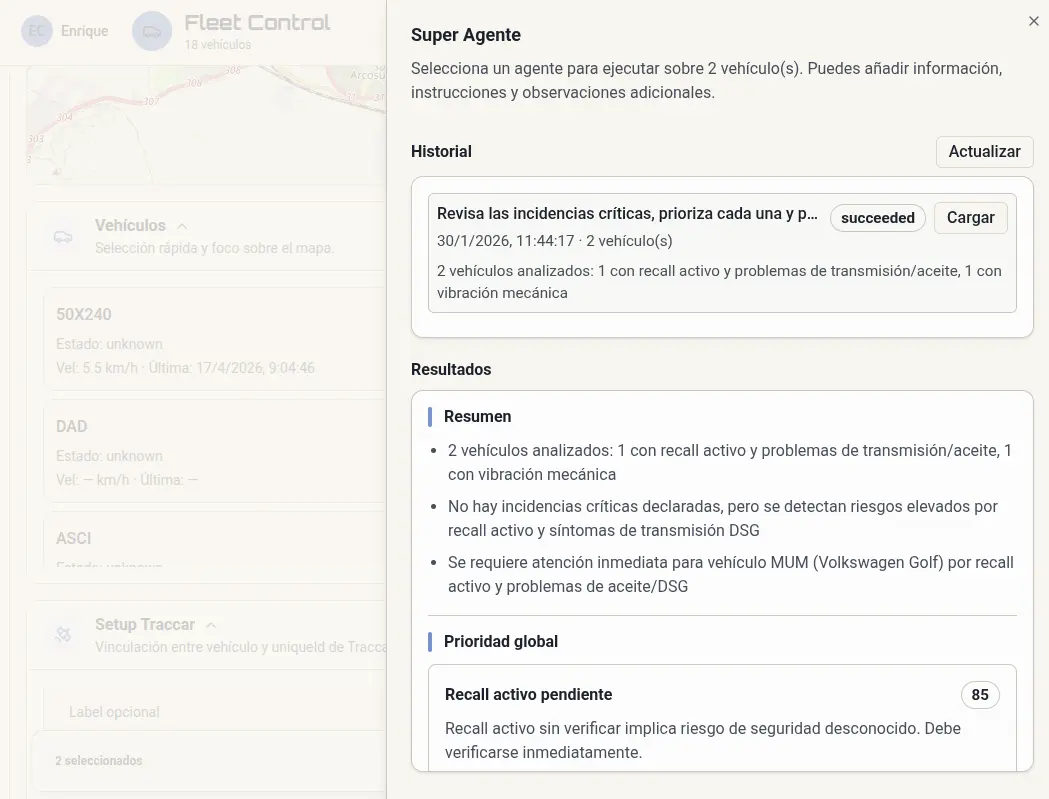
Prioritise incidents, suggest next steps and keep the context together.
Vehicle documents, maintenance and incidents in the driver’s hand.
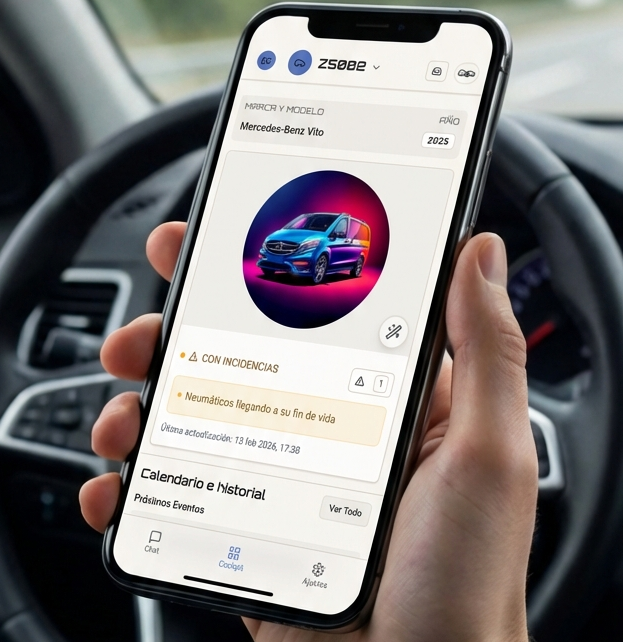
Voice note, evidence, open items, document history and role-based visibility in one flow.
Fleet systems, telematics, charging, OBD, ERP, documents and other operational data.
Brings events, history and documents together to suggest the next step.
Helps assign vehicles, prioritise charging, coordinate incidents and protect uptime.
Roles, permissions and activity logs for ops, workshop, admin and audit.
Autonality is not just analysis and not just a standalone dashboard. It connects planning, operations and audit trail in one workflow.
Tell us what you are trying to solve and we will walk through routes, depot, charging, incidents and day-to-day operations.
BaseFit, a product walkthrough, minimum integration scope, and a recommended next step.
Guided call + product demo + quick fit for your case.
Quick answers on fit, integration and rollout.
You need more than a cost comparison. The real question is routes, depot constraints, charging windows and expected growth. BaseFit gives you a structured way to answer that.
That depends on available power, chargers, overlap, charging windows and operating discipline. A theoretical number is not enough.
Autonality takes the decision into daily operations: vehicles, charging, incidents and audit trail in one operational layer.
Usually through API, controlled exports or a phased integration. For pilots, we start with the minimum scope needed to create value.
A vehicle list, a few core operating data points and enough context to model or connect the first use case.
Autonality fits operations with high asset use, tight availability requirements and many daily decisions around the vehicle.
Best fit today: repeatable routes, daily pressure, shared depots and constant coordination between vehicles and charging.
Less idle time, better prioritisation and clearer operational visibility.
Incidents, workshop windows and service continuity with a clear audit trail.
Technician vehicles, prevention and better support for daily operating decisions.
Access the version for independent drivers and private owners.